AGP Executive Report
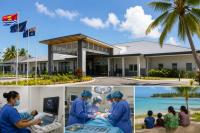
Last update: 5 hours agoHospital Energy Savings: Work has begun on €72.4 million upgrades at two Chișinău hospitals, the first of 10 facilities set for renovation. The programme aims to cut energy use across the hospitals by about 40%. Cleaner Transport: Moldova will require environmental impact and energy-efficiency considerations when buying vehicles with public funds, and plans at least 600 electric-vehicle charging points by 2030. Water and Conservation: Dniester levels have risen at the Cosăuți intake as the water crisis in Bălți eases. Moldovan NGOs are also implementing 28 environmental protection projects, while Moldova and Romania’s environment ministers have discussed cooperation.
Note: AI summary from news headlines; neutral sources weighted more to help reduce bias in the result. Feedback is welcome. Please let us know if you have any comments or suggestions about the AGP Executive Report.


 Perspectify News